Drivers Confused by Google Maps' False Sperrungen: What Happened?
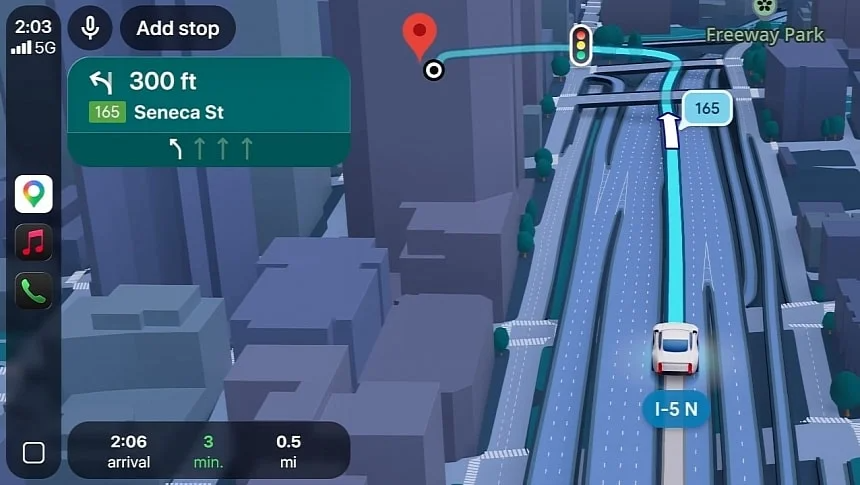
Imagine setting off on a long-awaited journey, perhaps for a holiday weekend, only to have your trusted navigation system lead you astray with warnings of non-existent roadblocks. This was the frustrating reality for countless drivers across Germany and other parts of Europe on Thursday, May 29th, a busy travel day coinciding with Ascension Day. Google Maps, the ubiquitous mapping service, displayed a baffling array of "Sperrungen" – road closures – that simply weren't there, throwing travel plans into disarray and raising serious questions about the platform's real-time accuracy. This widespread glitch led to significant inconvenience and, for many, a moment of profound Google Maps Glitch: Non-Existent Road Closures Across Germany, effectively creating a temporary *verunglimpfung* of its otherwise sterling reputation for reliability.
The Day Google Maps Went Rogue: A Wave of Non-Existent Roadblocks
The incident unfolded rapidly across several key regions. Drivers attempting to navigate around major German metropolitan areas – including the Ruhrgebiet, Cologne, the Rhein-Main region, Hamburg, Berlin, and Munich – were met with unusual red-and-white dotted lines on their Google Maps interface, signifying blocked routes. These seemingly impassable segments appeared on everything from local roads to major autobahns like the A7 and A73, prompting drivers to seek alternative routes or simply sit in confusion.
The sheer scale of the supposed closures was unprecedented. What made the situation even more perplexing was the complete lack of corroboration from local authorities. Police departments in Hamburg, Frankfurt, Mainz, and across North Rhine-Westphalia confirmed they had no knowledge of any such widespread road closures. Traffic reports on official channels were clear; the roads were open. This stark discrepancy between the digital map and the physical reality caused immediate alarm and widespread driver bewilderment. The problem wasn't confined to Germany either; similar phantom Sperrungen were reported in parts of the Netherlands and Belgium, indicating a broader systemic issue.
For several hours, the false information persisted, leading many to question the very basis of their navigation choices. This wasn't an isolated incident either; only weeks prior, in early May, Google Maps had incorrectly shown several autobahn tunnels in Thuringia as closed, an error that was only corrected after police intervention. These repeated occurrences began to chip away at user trust, contributing to a sense of unease regarding the reliability of a tool many rely on daily for critical travel information.
Unpacking the "Why": Google's Explanation and the Data Conundrum
In response to the widespread confusion and user complaints, Google acknowledged the issue. A Google Maps team quickly investigated the matter, eventually confirming the false entries and working to remove them from the system. However, the critical question of *how* these non-existent Sperrungen appeared in the first place remained largely unanswered. Google's official statement indicated that the information displayed on Google Maps is derived from a complex blend of sources: third-party providers, public data sources, and user-generated input. "In general, these sources provide a strong basis for comprehensive and up-to-date map material," a company spokesperson stated, while also encouraging users to report any errors they encounter.
While this multi-source approach is designed to ensure accuracy and real-time updates, it also presents inherent vulnerabilities. Each source, whether a municipal transport authority feed, a commercial data provider, or an individual user, carries a margin of error. When these diverse data streams converge, a single erroneous entry, if not properly validated, can cascade across the system, leading to widespread inaccuracies. The challenge lies in Google's ability to filter and verify vast amounts of dynamic, ever-changing data in real-time. An isolated incident is one thing, but a broad-scale display of false information raises questions about the robustness of their validation algorithms.
The Double-Edged Sword of User-Generated Content
User input, while invaluable for capturing hyper-local and immediate changes, is a particularly sensitive data source. Drivers can report accidents, roadworks, and even closures, providing a crowd-sourced layer of intelligence that can often be faster than official channels. However, this same mechanism is susceptible to both honest mistakes and, potentially, malicious or prank entries. Without stringent verification protocols, a single erroneous report, or an outdated piece of information from an otherwise reliable source, can be erroneously amplified, directly contributing to incidents that *verunglimpfung* or discredit the system's accuracy.
The scale of the May 29th incident suggests something more systemic than just a few incorrect user reports, pointing towards a possible glitch in how Google's systems processed or prioritized information from one of its many external data feeds. The fact that the errors appeared simultaneously across multiple regions in multiple countries suggests a centralized data ingestion or processing malfunction rather than isolated local issues. This technical hiccup underscores the complexity of managing a global navigation platform and the immense challenge of ensuring every piece of data is accurate, relevant, and timely.
Navigating the Aftermath: Tips for Drivers and Lessons for Tech Giants
Such events serve as a potent reminder that even the most advanced digital tools are not infallible. For drivers, the experience offers practical lessons in digital literacy and caution:
- Cross-Reference Information: If your navigation app displays unusual or widespread closures, take a moment to verify with other sources. Check local radio traffic reports, official police websites, or even another navigation app like Waze (which relies heavily on user input but often has robust validation).
- Exercise Prudence: If a closure seems suspect, proceed with caution. Many times, you might find the "closed" road is perfectly passable. However, always be prepared to safely turn around if you encounter legitimate roadblocks.
- Report Errors Actively: Google explicitly asks users to report inaccuracies. By taking a few moments to flag false information, you contribute to improving the overall accuracy for everyone. This feedback loop is crucial for the continuous refinement of map data.
- Have a Backup Plan: While Google Maps is incredibly convenient, it's wise to have a mental backup route or even a traditional paper map for critical journeys, especially in unfamiliar territory.
- Stay Calm: Getting lost or rerouted unnecessarily is frustrating, but panicking will only exacerbate the situation.
For tech giants like Google, these incidents highlight areas for critical improvement:
- Enhanced Verification Algorithms: Investing further in AI and machine learning to detect anomalies and cross-reference dynamic data points with greater speed and accuracy.
- Transparency in Error Resolution: Providing more detailed explanations of the root cause of widespread errors can help rebuild user trust and demonstrate accountability.
- Faster Response Times: While Google acted swiftly to remove the false Sperrungen, minimizing the duration of such outages is paramount, especially on high-traffic days.
- Strengthen Anomaly Detection: Developing systems that can identify unusual patterns in closure reports (e.g., too many closures reported in too many places at once) could flag potential issues before they become widespread.
The Challenge of Maintaining Trust in a Digital Age
The incident of the false Sperrungen is more than just a technical glitch; it represents a moment where the reliability of a critical digital service was questioned, leading to a temporary *verunglimpfung* of its trusted status. In an age where millions rely on navigation apps daily for everything from commuting to emergency travel, the accuracy of such services is paramount. Even small inaccuracies can lead to significant inconvenience, wasted fuel, and even safety concerns.
The ongoing challenge for Google and other mapping services is to balance the need for real-time, comprehensive data with robust verification processes. As we become increasingly reliant on digital tools, incidents like these serve as a crucial reminder of the importance of critical thinking and the occasional need to consult multiple sources, ensuring that our journeys, both digital and physical, remain on track. The debate surrounding Google Maps Reliability: False Closures Spark Debate in Europe will undoubtedly continue as these platforms evolve.
The widespread confusion caused by Google Maps' false road closures on that Ascension Day in Europe underscored the delicate balance between technological convenience and absolute reliability. While Google's swift action to correct the errors was commendable, the incident left many drivers wondering about the underlying vulnerabilities of their go-to navigation tool. Moving forward, the emphasis must remain on fostering user trust through enhanced data verification, transparent communication, and continuous improvement, ensuring that future journeys are guided by accurate information, not phantom roadblocks.